
Dental implants in Riverside, CA provide a reliable solution for replacing missing teeth and restoring your smile. Losing a tooth changes more than just your smile. It affects how you eat, how you speak, and how you feel about yourself every day. At California Dental Group Riverside, we believe that missing teeth should never hold you back, and our dental team is here to help you do something about it. Dental implants are one of the most effective and lasting ways to restore your smile, protect your oral health, and bring back the confidence that comes with a full set of teeth. Our dental implant treatments are tailored to fit your specific needs, giving you results that look and function just like your natural teeth.
Dental Implants in Riverside, CA

Why Dental Implants Are Different From Dentures and Bridges
When it comes to replacing missing teeth, you have options, but not all options work the same way. Dentures sit on top of the gums and can shift or slip over time, while bridges rely on filing down adjacent natural teeth for support. Dental implants take a fundamentally different approach by replacing the tooth at the root level. A small titanium post is placed directly into the jaw bone, mimicking the function of your natural tooth roots and creating a stable, permanent base for your new tooth.
This root-level replacement is what sets this treatment apart in terms of long-term oral health. Dentures and bridges do not address the jaw bone underneath, which means bone loss can continue even after treatment. Implants actively stimulate the jaw bone, helping to preserve its density and prevent neighboring natural teeth from shifting out of alignment. For patients who want a permanent solution that supports their oral health from the foundation up, teeth implants offer something that no other tooth replacement option can match.

Benefits of Dental Implants
Your Jaw Bone Stays Stronger Over Time
Most people don’t realize that losing a tooth sets off a chain reaction beneath the gums. Without a tooth root stimulating the jaw bone, the bone begins to shrink, a process that can change the shape of your face and loosen neighboring natural teeth over time. Dental implants are the only tooth replacement option that addresses this directly by acting as artificial tooth roots. They keep the jaw bone active and healthy, helping you maintain your facial structure for years to come.
No More Worrying About Your Teeth Slipping
One of the biggest frustrations with traditional dentures is the constant concern about them shifting at the wrong moment. Dental implants are anchored securely into your jaw bone, which means they stay in place the way natural teeth do, with no adhesives, no adjustments, and no surprises. This stability makes a real difference in how comfortable you feel eating, laughing, and speaking in everyday situations. Patients consistently report that this reliability alone is reason enough to choose implants.
Your Surrounding Teeth Stay in Place
Tooth shifting is a common and often overlooked consequence of missing teeth. When a gap is left unfilled, natural teeth on either side gradually drift toward the empty space, throwing off your bite and creating new alignment problems. Dental implants fill that gap at the root level, giving surrounding teeth a stable boundary and preventing the kind of shifting that leads to bigger dental issues down the line. Protecting what you already have is just as important as replacing what you’ve lost.
Oral Hygiene Stays Simple and Straightforward
Unlike dentures that need to be removed and soaked, dental implants are cared for the same way you care for your natural teeth. A consistent oral hygiene routine of brushing, flossing, and regular dental checkups is all it takes to keep your implants clean and your gums healthy. There are no special cleaning solutions or extra steps to work around. This simplicity makes it easier to maintain strong oral health habits long after your treatment is complete.
A Permanent Solution That Doesn't Compromise Other Teeth
Traditional bridges require reshaping the healthy natural teeth on either side of the gap to anchor the restoration in place. Dental implants require no modification to surrounding teeth whatsoever. Each implant stands entirely on its own, supported by the jaw bone rather than neighboring teeth. This approach preserves your natural teeth in their original condition, which is always the better outcome for your long-term oral health and overall dental care.
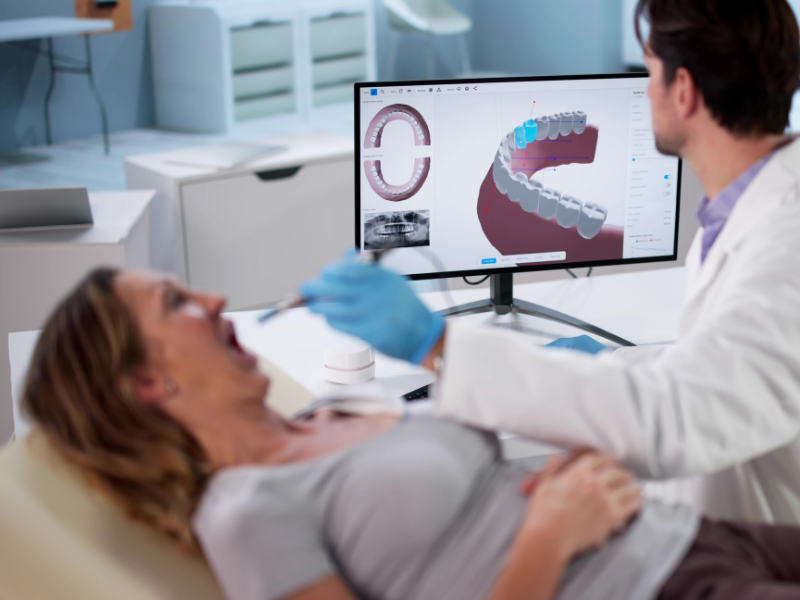
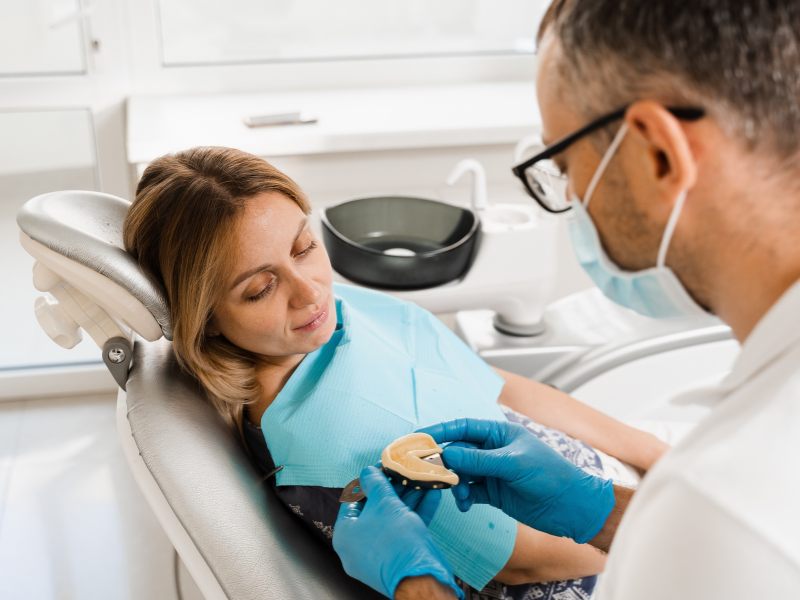
How We Place Your Dental Implants
Why Choose Our Dental Approach
Choosing where to receive your dental implant treatment is a decision that deserves careful thought, and what you experience at every stage of care matters. From your very first consultation, our dental team takes the time to thoroughly evaluate your oral health, including the condition of your jaw bone, the position of your natural teeth, and any existing bone loss, so that nothing is overlooked before implant placement begins. You’ll never feel rushed through an appointment or left with unanswered questions. Every step is explained clearly so you know exactly what is happening and why.
What also sets the experience at California Group Dental Riverside apart is the continuity of care that follows your procedure. Dental implants are a permanent solution, and we treat them that way, checking in on your healing, supporting your implant care routine, and making sure your oral health stays strong well after your treatment is complete. Our goal is for you to leave every appointment feeling informed, comfortable, and confident that your smile is in good hands.

Get Started With Dental Implants in Riverside, CA
Considering dental implants in Riverside, CA? This permanent solution does more than replace missing teeth. It helps protect your jawbone, support your oral health, and restore a natural-looking smile you can feel confident about every day. At California Dental Group Riverside, our dental team is committed to supporting you throughout the entire process, even after your implant placement.
Follow us on Facebook and Instagram for ongoing implant care tips, oral health insights, and updates from our practice, because good dental care doesn’t stop when your treatment does. When you’re ready to take that first step, reach out to us directly at (951) 200-2000 to schedule your consultation and find out what implants can do for your smile.
FAQs
How painful is the dental implant procedure?
Most patients are surprised by how manageable the dental implant procedure is. Local anesthesia is used during implant placement to minimize discomfort, and any soreness afterward is typically mild and short-lived. Over-the-counter pain relief is usually sufficient for the first few days of recovery, and most people return to their normal routine fairly quickly.
Can dental implants fail?
Dental implant failure is uncommon but can occur in cases where the jaw bone does not properly fuse with the titanium post. Factors such as poor oral hygiene, smoking, or pre-existing bone loss can increase the risk. Maintaining a consistent implant care routine and attending follow-up appointments are the most effective ways to protect the long-term success of your dental implants.
How do dental implants affect speech?
Missing teeth and ill-fitting dentures are common causes of speech difficulties. Dental implants function like natural tooth roots, providing a stable base that supports clear and natural speech. Because they are anchored securely in the jaw bone, there is no risk of slipping or shifting, which are two of the most common speech-related complaints associated with traditional dentures.
At what age can someone get dental implants?
Dental implants are generally recommended for adults whose jaw bone has fully developed, which typically occurs in the late teens or early twenties. There is no upper age limit, and adults of any age can be good candidates as long as their oral health and jaw bone density support implant placement. A thorough evaluation helps determine the right timing for each individual patient.
What happens to the jaw bone if dental implants are not placed?
When a tooth is lost and not replaced, the jaw bone in that area begins to deteriorate due to lack of stimulation. This bone loss can progress over time, eventually affecting the structure of the face and causing neighboring natural teeth to shift. Dental implants are the only tooth replacement option that directly addresses this by acting as artificial tooth roots and preserving jaw bone density.