
At California Dental Group Riverside, our team is committed to making every dental experience as comfortable and stress-free as possible, and that includes tooth extractions. While the goal of dentistry is always to preserve your natural teeth, there are times when removing a tooth is the best way to protect your overall oral health. Whether you’re dealing with severe decay, infection, overcrowding, or a problematic wisdom tooth, our skilled providers take the time to walk you through every step of the process. You can expect honest, straightforward care with a focus on your comfort, your questions, and your long-term wellbeing.
Extractions

When Extractions and Socket Preservation Work Together
Removing a tooth is only part of the picture. What happens to the bone immediately after an extraction has a direct impact on your ability to get a dental implant later. When a tooth is pulled, the jawbone that once supported its root begins to break down, sometimes losing significant volume within the first few months. Socket preservation is performed right at the time of extraction to prevent that bone loss by filling the empty socket with grafting material that supports new bone growth.
This matters most when a dental implant is the end goal. Implants require a certain amount of healthy, dense bone to anchor securely in the jaw. If too much bone is lost between extraction and implant placement, additional and more complex bone grafting may be needed before the implant can even be considered. Combining extraction with socket preservation from the start keeps that timeline on track and gives you the strongest possible foundation for a long-lasting implant result.
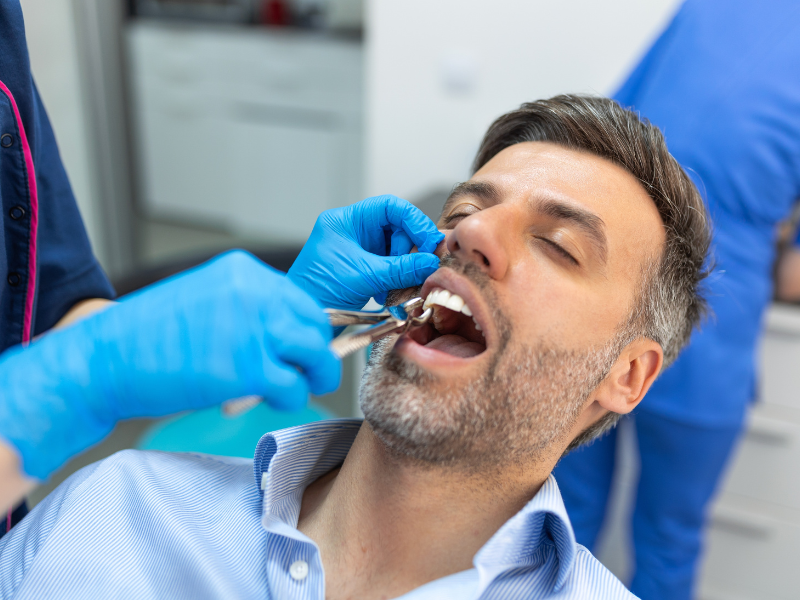
Benefits of Extractions
Bone Loss Becomes a Problem You Avoid, Not One You Fix Later
Waiting too long after an extraction before addressing bone loss means more procedures, more time, and more cost down the line. Socket preservation steps in right after removal to keep the jawbone intact while it heals. Patients who skip this step often need more extensive bone grafting before an implant can even be placed. Acting early is almost always simpler than correcting what was lost.
Your Implant Has a Better Chance of Lasting
A dental implant is only as stable as the bone holding it. Socket preservation maintains the density and volume your jaw needs to fully support an implant long-term. Without it, the bone can shrink and shift in ways that compromise the implant’s fit and durability. Giving the bone the right conditions to heal from the start directly improves how well and how long your implant performs.
Fewer Procedures Between Extraction and Your Final Restoration
Every additional procedure adds time, cost, and recovery to your treatment. When socket preservation is done at the time of extraction, it reduces the likelihood of needing separate, more invasive bone grafting later. Many patients are able to move straight from healing to implant placement without detours. Combining these steps efficiently keeps your overall treatment plan leaner and more predictable.
Your Face Maintains Its Natural Shape
Bone loss in the jaw doesn’t just affect your teeth; it changes the way your face looks. The jawbone gives your cheeks and lower face their structure, and when it deteriorates, the skin above it can begin to sag or appear sunken. Socket preservation helps retain that bone volume so your facial profile stays consistent during and after healing. It’s a detail most people don’t think about until they notice the change.
The Healing Timeline Becomes More Manageable
When socket preservation is handled at the same appointment as your extraction, you recover from both at once rather than scheduling separate procedures with separate healing periods. This means less overall downtime and a cleaner path from tooth removal to your final restoration. Patients often find this combined approach easier to plan around their work and personal schedules.
How We Handle Extractions and Socket Preservation

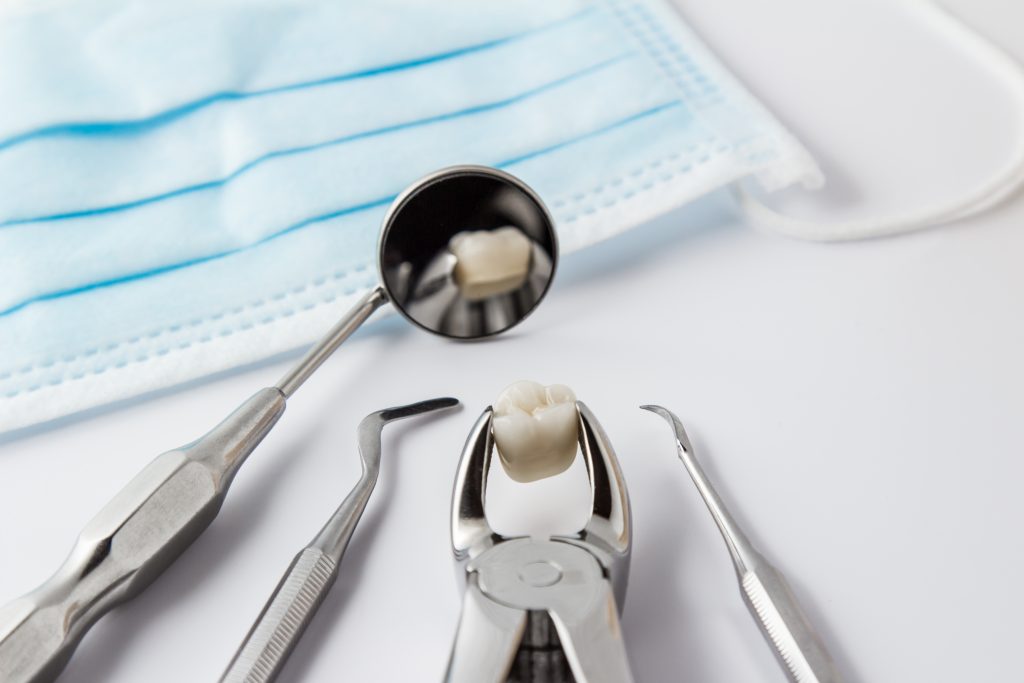
Why Choose Us for Extractions
Not every dental office approaches extractions with implant placement already in mind. At California Dental Group Riverside, decisions made at the time of your extraction are informed by where your care is headed, not just what needs to happen today. That means evaluating your bone health early, discussing socket preservation as part of the initial plan, and making sure nothing is left to chance between tooth removal and your next phase of treatment. Thinking several steps ahead makes a real difference in the options available to you later.
That long-term perspective also shapes how we communicate with you throughout the process. You’ll know why each step is recommended, what it means for your bone health, and how it connects to your implant goals. Rather than treating extraction as an isolated procedure, we treat it as the first step in a larger plan built around your specific anatomy, timeline, and outcome. Patients who come in for an extraction leave with a clear picture of what comes next and confidence that their bone is being protected from day one.

The Sooner the Tooth Comes Out, The Better Your Options Become!
The window right after extractions is the most critical time to preserve what’s left. Patients who address socket preservation at the time of extraction avoid the longer, more involved process of rebuilding bone that has already been lost. Fewer procedures, a more predictable timeline, and a stronger foundation for your implant are outcomes that are far easier to achieve when the groundwork is laid from the start.
Our number at (951) 200-2000 is the fastest way to get your consultation on the calendar and your questions answered by someone on our team. For a closer look at the care we provide and the outcomes patients experience, our Facebook and Instagram pages are where California Dental Group Riverside shares that side of the practice.
FAQs
What to eat after tooth extraction?
Soft foods are your best option for the first few days after an extraction. Think yogurt, mashed potatoes, broth-based soups, and smoothies. Avoid anything hot, crunchy, or chewy, as these can disrupt the clot forming in the socket. Most people can comfortably reintroduce more textured foods within a week as tenderness subsides. Your dental provider will give you specific guidance based on how your healing looks at each stage.
How much is a tooth extraction?
Extraction costs vary depending on whether the procedure is simple or surgical, the position of the tooth, and the complexity of the case. Simple extractions are generally less expensive than surgical ones involving impacted or broken teeth. If socket preservation is performed at the same visit, that will factor into the overall cost as well. A consultation is the most reliable way to get an accurate estimate tailored to your specific situation.
When can I eat solid food after tooth extraction?
Most people can begin easing back into soft solid foods around three to four days post-extraction, once the initial soreness has settled. The key is to avoid anything that puts direct pressure on the extraction site before it has fully closed. Complete tissue healing typically takes one to two weeks, though bone healing continues longer beneath the surface. Your provider will advise you on when it’s safe to return to your normal diet based on your individual recovery.
What is socket preservation in dentistry?
Socket preservation is a procedure performed immediately after a tooth is removed to prevent the jawbone from deteriorating. Once a tooth is gone, the bone that once surrounded its root no longer receives stimulation and begins to resorb over time. Bone grafting material is placed into the empty socket to maintain its shape and volume during healing. This is particularly important for patients who plan to replace the tooth with a dental implant.
How long does socket preservation take to heal?
Gum tissue typically closes over the preserved socket within two to four weeks. Full bone maturation, where the grafting material fully integrates with the surrounding natural bone, takes approximately three to six months. The timeline varies based on individual health factors, bone density, and how well post-op instructions are followed. Regular check-ups during this period allow your provider to track progress and confirm when the site is ready for implant placement.
How long does socket preservation last?
Socket preservation provides long-term structural support when performed correctly and followed by proper oral care. Over time, the grafted material becomes part of your natural bone, making its longevity closely tied to your overall dental health. Factors such as smoking, gum disease, and systemic health conditions can affect how well the preserved site holds up. Consistent professional care and good hygiene habits are what keep the foundation solid for years ahead.